Table of Contents
- How the behavioral health revenue cycle works
- What admissions needs to pass to utilization review
- What to do when the chart and the charge disagree
- What billing needs to see before releasing the charge
- Why remaining units and the end date belong in separate fields
- What to do when an authorization denial comes back
- How to tell whether the same problem is happening elsewhere
- FAQs
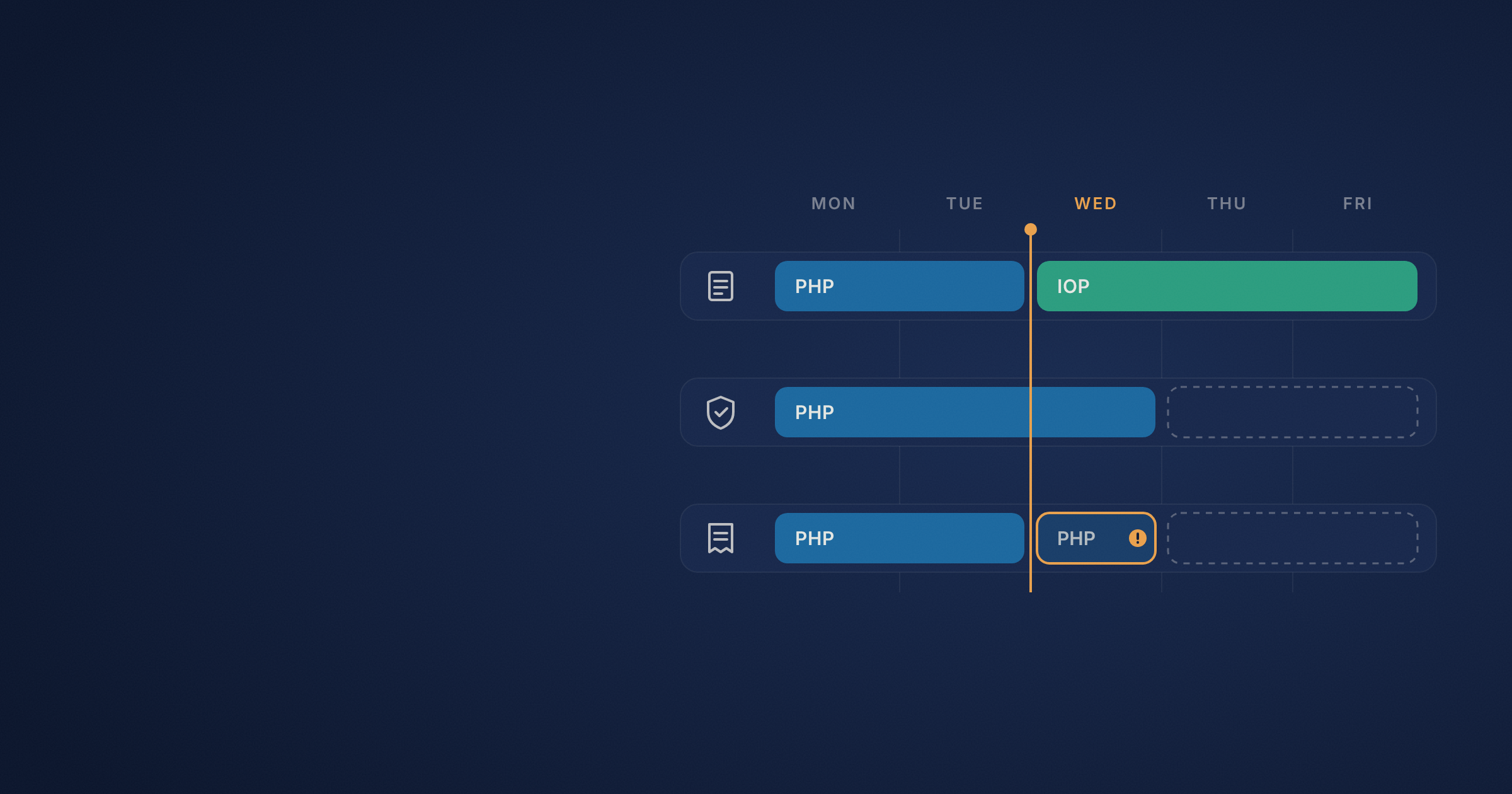
It’s Wednesday afternoon. Yesterday, a patient completed partial hospitalization (PHP) and this morning attended an intensive outpatient program (IOP). The program updated the records, but the authorization still lists PHP, so Wednesday’s charge is waiting in the billing queue under the previous level of care.
What does the biller do with that charge?
This example is made up, but it shows a real issue we deal with at Circle Health. The clinical record shows what care was given. The payer’s decision shows what was approved. The billing record shows what you plan to submit. These answers can be in different places, and each team might use a different one.
Behavioral health revenue cycle management includes everything from checking benefits to making sure payments match. This guide looks at the handoffs along the way, especially what teams can check before a mistake ends up in a claim.
How the behavioral health revenue cycle works
Picture the revenue cycle as a series of steps where each team leaves information for the next team to use.
| Stage | What the next team needs |
| Benefits verification | Who administers the behavioral health benefit, what the plan says about the proposed service, and where to find the verification. |
| Authorization and utilization review | Whether authorization is required, the payer’s decision if applicable, the services and dates it covers, any applicable units, and the next review deadline. |
| Clinical documentation and charge capture | A record of what care was delivered, when it happened, and any attendance or service details needed to review the charge. |
| Claim review and submission | A charge that reflects the verified service and has been reviewed against the applicable billing requirements. |
| Payment and denial follow-up | What the payer paid, adjusted, or denied, along with the supporting records and an owner for any follow-up. |
Things get more complicated when a record that was correct on Monday is still being used on Wednesday. Maybe a patient’s level of care changed, a payer updated an authorization, or an absence changed the services provided. The next person needs to know what changed, when it happened, and what still needs to be checked.
What admissions needs to pass to utilization review
If you open a record and see “benefits verified,” what questions should you ask before moving forward?
Start with the service. Did admissions check PHP, IOP, or both? Who administers the behavioral health benefit? What did the plan say about authorization? Where can the next person find the response? An active eligibility response leaves questions about the specific service open. For example, Optum’s guidance on benefit exclusions directs providers to check the member’s plan for exclusions or conditions that may affect reimbursement.
A good handoff means utilization review can keep working without repeating steps. If admissions confirmed the benefit but still needs to check IOP authorization, record both points. Note who is following up and when. If the payer’s response is in a portal, an authorization tracker, or another place outside the EHR, make sure to say where it is.
What to do when the chart and the charge disagree
Let’s return to Wednesday’s charge. When you put it into review, give a reason that’s clear enough for someone else to take action. If you just write “authorization issue,” the next person has to figure out the details. Here’s an example of a better note.
Wednesday’s chart shows IOP. The queued charge shows PHP. Utilization review is checking what the plan requires for the transition. Billing is holding the Wednesday charge pending that check.Next, answer these three questions.
- What care did the patient receive on Wednesday? The clinical or program team confirms the first IOP day and checks the documentation and attendance records for that date. If the relevant detail is hard to find, check where the program records it or ask the team to clarify.
- What does the payer require for Wednesday’s service? Utilization review checks the authorization record the team uses and verifies whether the plan requires a separate IOP authorization, an update, or another action. If a decision is pending, record who’s following up and when. If there’s a decision on file, check its effective date and which service it covers.
- What should be included on the claim? Billing matches the charge to the confirmed service and follows the right billing instructions. Even if there’s an authorization, billing still needs to check what actually happened on the billed date.
Billing might be able to update the charge to show IOP even while utilization review is waiting for more information. The charge now matches the service provided, but the authorization question is still open. The review queue should show both issues.
A pre-billing checklist for behavioral health teams
| If you find this | Who checks it | What you need before clearing it |
| The benefit or payer is unclear | Admissions or benefits verification checks the plan response for the service and date. | The applicable benefit, any relevant restrictions, and where to find the confirmation. |
| The authorization on file shows a different level of care | Utilization review compares the payer’s decision with the service date and level of care. | The plan’s requirement and any applicable authorization decision, including its effective date. |
| Attendance or service details are unclear | Clinical or program staff check the relevant notes, attendance, or other service records. | Confirmation of what care was delivered on the date in question. |
| The charge still reflects the prior level of care | Billing compares the queued charge with the verified service and applicable billing instructions. | A corrected charge and a record of how any open issues were resolved. |
If a charge is on hold, write down the reason, who is responsible, the next step, and any filing deadline. Anyone checking the queue tomorrow should see what’s confirmed and what still needs to be answered.
What billing needs to see before releasing the charge
Say utilization review hears back on Thursday. The payer confirms that the IOP authorization starts Wednesday. The program team has already confirmed Wednesday’s attendance and services, and billing has corrected the queued charge to reflect IOP.
Now, think about someone reviewing the charge who wasn’t involved in yesterday’s discussion. They should be able to find answers to three questions in the record.
- What changed? Wednesday was the first IOP day. The original charge still reflected PHP.
- What did the team verify? The program confirmed the services delivered. Utilization review recorded the payer’s decision and where to find it.
- What’s left for billing? Review the corrected charge against the applicable billing instructions and complete the usual claim checks.
If the payer says the authorization starts on Thursday instead, Wednesday still needs to be reviewed. Record the effective date and make sure Wednesday’s charge has its own follow-up. Anyone looking at the queue should be able to see which date the payer’s decision applies to.
Use this same method for absences, discharges, or schedule changes. Begin with the billed date and check the records to see what happened on that day.
Why remaining units and the end date belong in separate fields
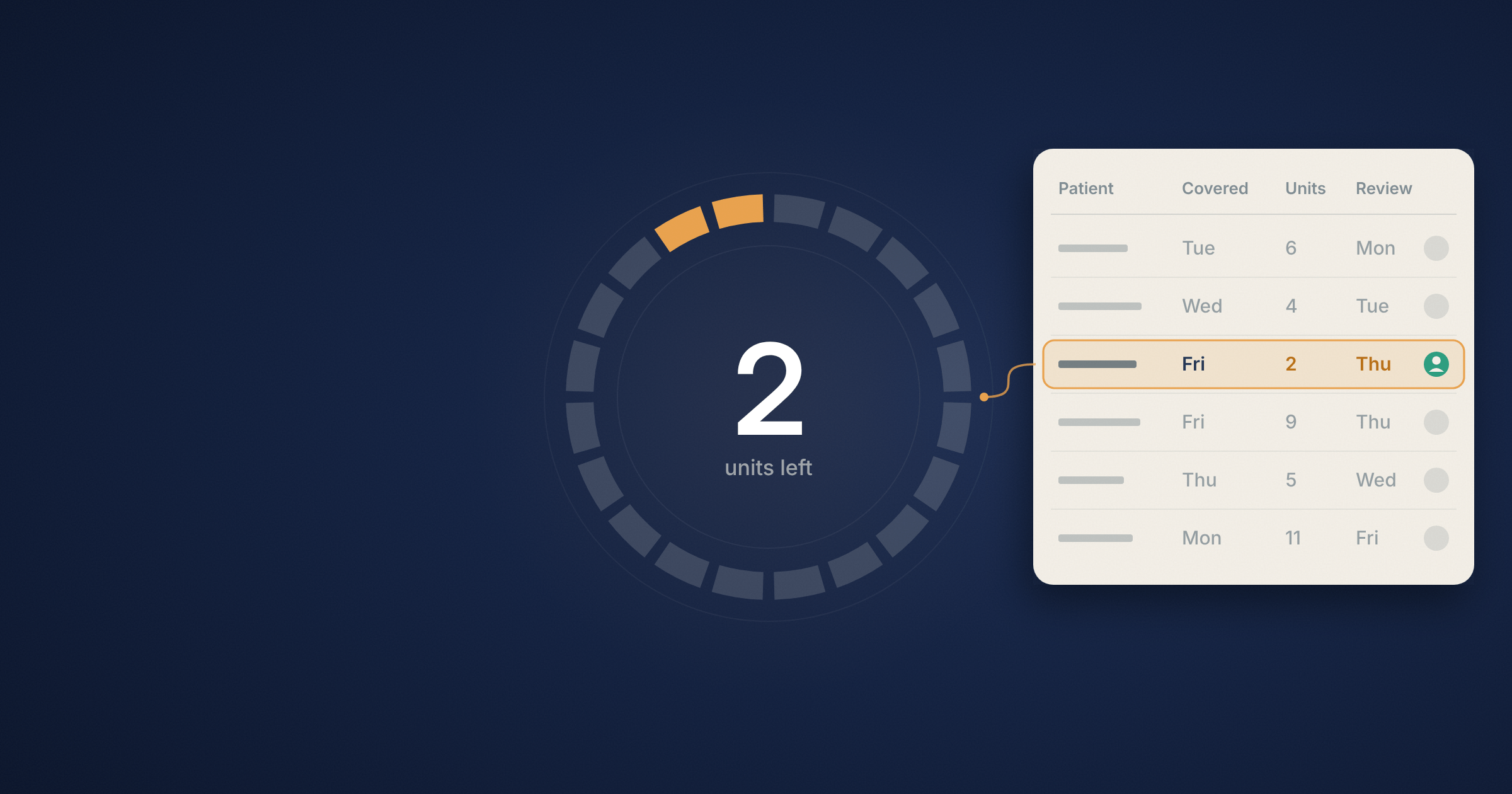
Here’s a question that’s come up in our work with treatment programs. A patient has authorized units left, but the authorization period ends Friday. What does the team need to do today?
Units show how much of the approved amount is left. The end date shows when the current authorization period ends. The review deadline tells the team when to act if a continued-stay request is needed. Keep these fields separate so a positive balance doesn’t hide a coming deadline.
If care will continue, utilization review can check how the plan handles unused units and what is needed for the next review. Give the clinician a clear question about what has changed since the last review. For example, Highmark’s concurrent review guidance asks teams to prepare new or updated clinical information.
This is where Circle Health’s utilization management tools help. We assist teams in gathering the right chart information, pointing out gaps for staff to check, and preparing authorization and continued-stay materials for review. When the payer asks what has changed since the last review, the team can start with the right record and focus on confirming the answer.
What to do when an authorization denial comes back
Begin with the payer’s explanation. Get the remittance and, if available, the payer’s determination letter. The letter may include details you need for follow-up, like the reason given and where to send an appeal. Compare this explanation with the submitted claim, the authorization decision, and the care record.
If the payer says authorization was missing, check which service and date they mentioned. You might find an authorization for a different level of care, a decision that started on another date, or a claim with the wrong service listed. What you find will help you decide if you need to send a corrected claim, provide more information, or file an appeal.
After you finish reviewing the claim, think about where you could have caught the mistake earlier. If the step-down was in the chart on Tuesday but didn’t reach utilization review, add that handoff to the process. If utilization review had the payer’s response but billing couldn’t find it, make sure the response is visible during charge review.
How to tell whether the same problem is happening elsewhere
During your next revenue cycle review, check both charges on hold and denials that were returned. Holds show where someone found a problem before submitting. Denials give you another way to spot issues that were missed or not fixed.
Pick one category to start, like level-of-care changes. For each case, note when the change happened, where it was first recorded, and when the next team found out. Just a few cases can show if the same handoff keeps failing or if different problems just look similar.
If utilization review always hears about step-downs after the next day’s charge is queued, make sure to notify that team when recording the transition. If billing sees the change in time but can’t find the payer’s response, fix where that response is stored. Then check the next few transitions. Can the person reviewing the charge find what they need without having to call everyone involved?
FAQs
What is behavioral health revenue cycle management?
Behavioral health revenue cycle management is how providers and partner organizations manage payment for care. It includes verifying benefits, obtaining required authorizations, documenting care, reviewing charges, submitting claims, reconciling payments, and following up on denials.
What is the difference between behavioral health billing and revenue cycle management?
Billing focuses on preparing and submitting claims and following up on payment. Revenue cycle management also includes work that starts before a claim exists, such as verifying benefits, tracking authorizations, and ensuring the documentation supports the charge.
Does a patient need a new authorization when stepping down from PHP to IOP?
The answer depends on the patient’s plan and the service provided. Utilization review needs to check if the plan calls for a separate IOP authorization, an update, or another step. If authorization is needed, make sure to confirm the effective date and what the payer’s decision covers before releasing the charge.
What happens if a behavioral health authorization expires with units remaining?
Find out how the plan deals with unused units when the authorization period ends. If more care needs another review or an extension, check the deadline and how to submit. Keep track of remaining units and the last authorized date separately to make follow-up easier.
What should a behavioral health billing team check before submitting a claim?
Make sure the claim matches the service given, the date, and the level of care. Compare it to the clinical record, any needed authorization, and the payer’s billing rules for that service and setting. Send any differences to the right team to fix them.
How can behavioral health programs prevent repeat authorization denials?
Look at the payer’s explanation alongside the claim, the authorization decision, and the service record. Find the first place where someone could have noticed the issue. Add a check at that step and make sure someone is responsible for sharing the answer with the next team.